
New installations and replacements
Fusilair can contract directly for commercial refrigeration, air conditioning and VRF installations, including planned replacement of ageing systems.
One route for businesses planning a commercial installation, replacing critical equipment or arranging a tailored 12-month service agreement for refrigeration, air conditioning and VRF systems.
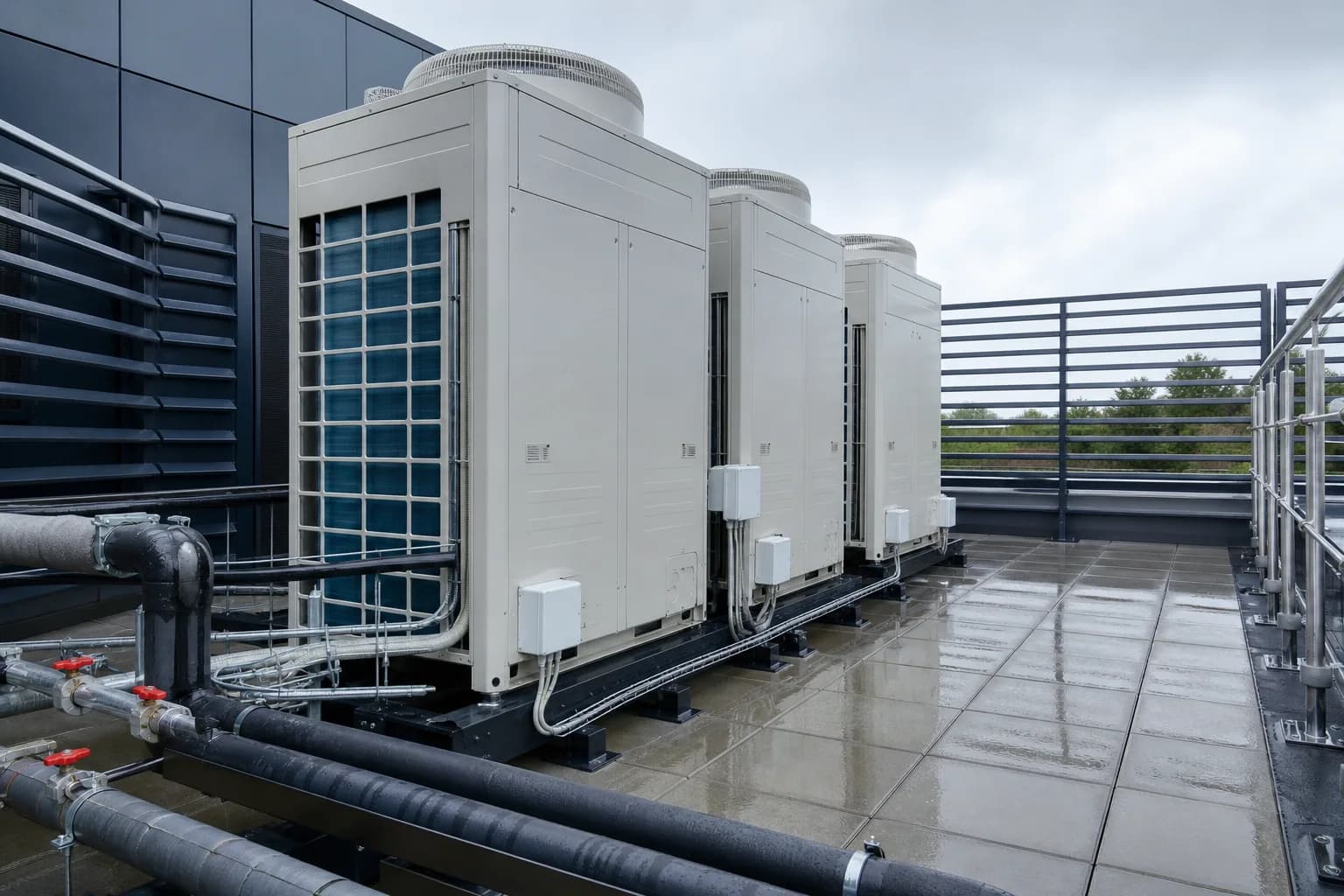
For refurbishments, new commercial premises and planned equipment replacement, Fusilair can provide a defined installation contract with responsibilities, deliverables and project interfaces agreed before work begins.
Packages are tailored to the site and can cover commercial refrigeration, split and multi-split air conditioning, or VRF systems. Final design responsibility, programme, exclusions and commercial terms are recorded in the written proposal.
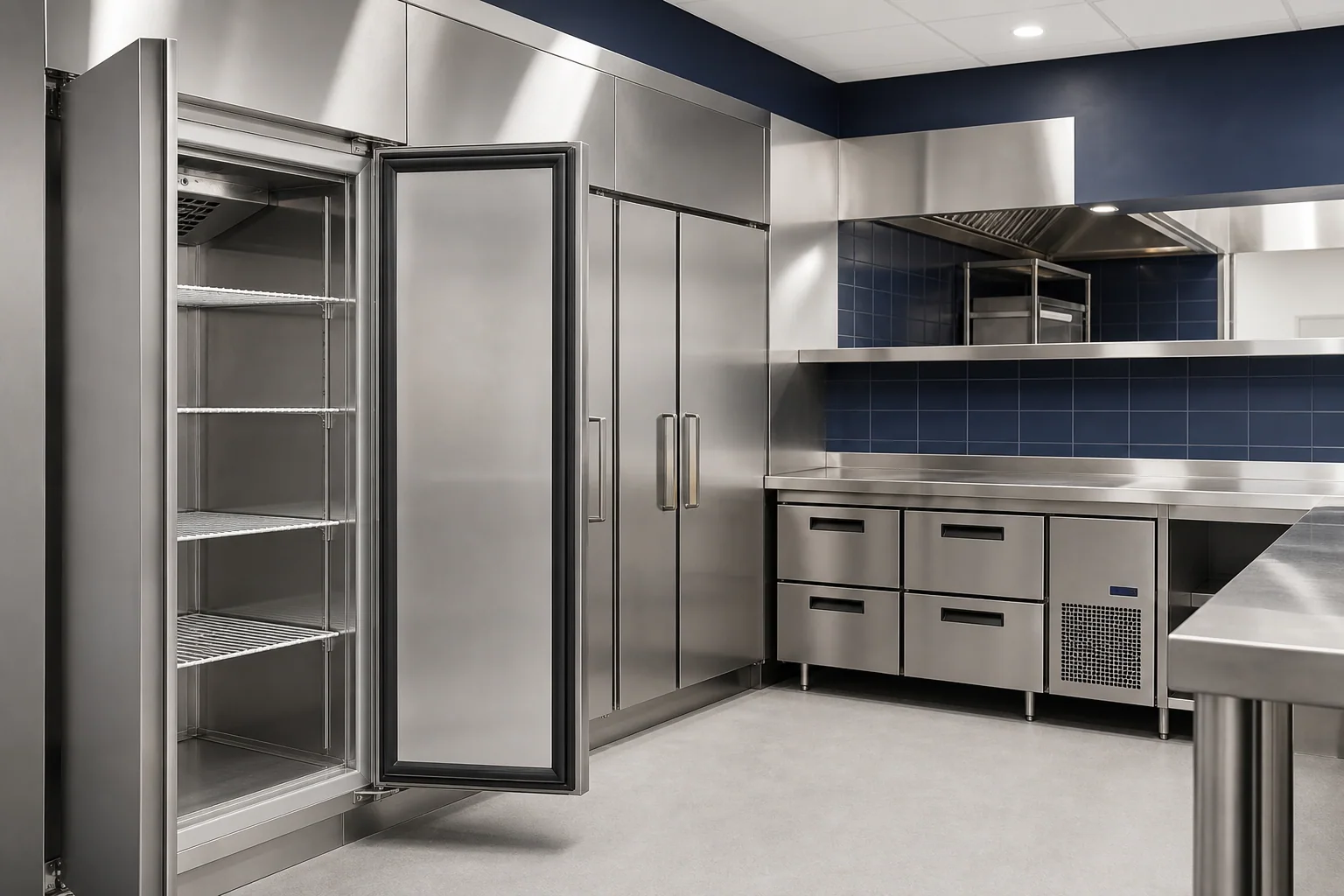
Fusilair can contract directly for commercial refrigeration, air conditioning and VRF installations, including planned replacement of ageing systems.
The agreed scope can cover surveys, equipment schedules, programme coordination, access planning, RAMS and communication with the wider project team.
Completed projects are tested and commissioned with practical handover information, asset details and a clear route into planned aftercare where required.
The agreement turns an informal maintenance arrangement into a defined plan, with the equipment, tasks, visit schedule and support route written down.
Visits and maintenance tasks are agreed around the equipment, usage, condition and operational demands at each covered site.
Covered equipment is listed, visit findings are recorded and recommended work is separated from the agreed maintenance scope.
Active customers receive dedicated support instructions for qualifying faults affecting the sites and equipment named in their agreement.
Every proposal is tailored, so the signed schedule always takes priority over this guide.
Once a contract is active, Fusilair provides the customer with dedicated support instructions for qualifying faults affecting covered equipment. Triage and attendance are prioritised according to risk, engineer availability, access and the written agreement.
Fire, smoke, suspected gas release, serious electrical danger or another immediate risk must first be reported to the emergency services or appropriate utility. Fusilair is not an emergency service.
There is no instant or automatic cover. Each commercial site and equipment list is reviewed before acceptance.
Tell us about the site, approximate asset count, equipment types and any current maintenance arrangement.
We assess condition, access, critical equipment, service history and any remedial work needed before cover can begin.
The proposal sets out covered sites and assets, planned visit frequency, included tasks, fees and breakdown arrangements.
Cover starts only after the agreement is signed, the first payment clears and any required pre-contract work is complete.
The final scope, fees and response arrangements are always set out in the written proposal and signed agreement.
Yes. Fusilair can provide a defined contract for commercial refrigeration, air conditioning or VRF installation and replacement work. The written proposal records the agreed scope, project interfaces, programme assumptions, exclusions, commissioning and handover requirements.
They are for commercial customers with refrigeration, commercial air conditioning or VRF equipment. They are not a domestic maintenance subscription or domestic refrigeration service.
No. The form starts an enquiry only. Cover begins after the agreement is signed, the first payment has cleared, the equipment has been accepted and any required remedial work has been completed.
Not automatically. Priority access and triage can be included, but labour, parts, refrigerant and other reactive work are separately chargeable unless the signed agreement expressly includes them.
Priority support is not the same as a guaranteed arrival time. A binding attendance target applies only when it is written into the agreement and priced accordingly.
Yes. Each site and asset must be assessed and listed in the agreement, with the visit frequency and scope set for that location.
Share the installation scope or service requirements so we can review suitability and prepare the right next step.